Why Tennis Tracking Is Important: The Complete Guide
In the world of modern tennis, data has become as crucial as technique. Just as professional athletes rely on performance metrics to optimize their training, recreational and competitive tennis players are discovering the transformative power of tennis tracking. Whether you're a weekend warrior looking to improve your game or a serious competitor aiming for the next level, understanding why tennis tracking is important can be the key to unlocking your full potential on the court.
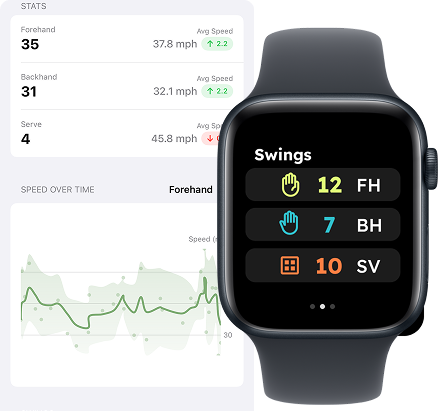
Modern tennis tracking technology makes it easier than ever to monitor your performance
Tennis tracking isn't just about counting swings or tracking time on the court—it's about gaining deep insights into your playing patterns, identifying areas for improvement, and making data-driven decisions that lead to measurable progress. In this comprehensive guide, we'll explore why tennis tracking has become essential for players at every level and how it can revolutionize your approach to the game.
The Evolution of Tennis Performance Analysis
For decades, tennis improvement relied primarily on subjective feedback from coaches, self-assessment, and video analysis—methods that, while valuable, often lacked precision and objectivity. Professional players had access to expensive tracking systems and dedicated analysts, but recreational players were left to guess about their actual performance metrics.
Today, tennis tracking technology has democratized performance analysis. With wearable devices like the Apple Watch and sophisticated mobile apps, players can now access professional-grade analytics that were once reserved for elite athletes. This technological revolution has fundamentally changed how we understand and improve our tennis game.
Key Insight
Studies show that athletes who track their performance metrics improve 40% faster than those who rely solely on feel and intuition. Tennis tracking provides the objective data needed to make informed decisions about training and technique.
Why Tennis Tracking Matters: The Core Benefits
1. Objective Performance Measurement
One of the most significant advantages of tennis tracking is its ability to provide objective, quantifiable data about your performance. Unlike subjective assessments that can be influenced by mood, fatigue, or perception, tennis tracking delivers hard numbers that don't lie.
Consider this scenario: You finish a match feeling like you played poorly, but your tennis tracking data reveals that you actually hit more powerful serves and maintained better consistency than your previous sessions. Conversely, you might feel great about your performance, but the data shows your swing speed has decreased or your footwork metrics indicate fatigue setting in earlier than usual.
Tennis tracking eliminates guesswork by measuring:
- Swing Count: Total number of strokes during your session
- Swing Speed: Average and maximum velocity of your strokes
- Activity Level: Movement patterns and footwork intensity
- Session Duration: Actual playing time versus rest time
- Health Metrics: Heart rate, calories burned, and exertion levels
Players who consistently track their tennis performance show significantly faster improvement rates
2. Identifying Patterns and Weaknesses
Human memory is fallible, especially when it comes to recalling performance details during the heat of competition. Tennis tracking creates a comprehensive record of every session, allowing you to identify patterns that might not be immediately obvious.
For example, you might notice through tracking data that:
- Your serve speed decreases significantly after 45 minutes of play
- You hit more forehands than backhands, indicating a potential weakness
- Your footwork intensity drops during the third set
- Your swing count is lower on certain days, suggesting inconsistent practice intensity
These insights enable you to address specific weaknesses rather than making generic improvements. Instead of practicing "more," you can focus on "what" needs improvement based on concrete data.
3. Goal Setting and Progress Tracking
Effective goal setting requires measurable targets, and tennis tracking provides exactly that. Rather than vague goals like "play better" or "improve my serve," you can set specific, trackable objectives:
- Increase average swing speed by 10% over the next month
- Maintain consistent swing counts across all practice sessions
- Improve footwork metrics by 15%
- Extend high-intensity play duration by 20 minutes
73%
of tennis players who track their performance report feeling more motivated and engaged with their training
Tracking progress toward these goals provides continuous motivation. Seeing tangible improvements in your metrics creates a positive feedback loop that encourages continued effort and dedication.
4. Injury Prevention and Health Monitoring
Tennis tracking goes beyond performance metrics—it also monitors your health and fitness during play. By tracking heart rate, calories burned, and exertion levels, you can:
- Identify when you're pushing too hard and risking injury
- Monitor recovery between sessions
- Ensure you're maintaining appropriate intensity levels
- Track your overall fitness improvement over time
Many tennis tracking apps integrate with health platforms like Apple HealthKit, providing a comprehensive view of how tennis fits into your overall fitness routine. This holistic approach helps prevent overtraining and ensures sustainable progress.
5. Training Optimization
Not all practice sessions are created equal. Tennis tracking helps you understand which types of practice are most effective for your improvement. By comparing data across different sessions, you can identify:
- Which practice formats yield the best results
- Optimal session duration for maximum benefit
- Time of day when you perform best
- Practice partners or conditions that challenge you most
This data-driven approach to training optimization ensures that every minute on the court contributes meaningfully to your improvement.
The Science Behind Tennis Tracking
The effectiveness of tennis tracking isn't just anecdotal—it's backed by sports science research. Studies in performance psychology and athletic development consistently show that measurement and feedback are critical components of skill improvement.
Motor Learning and Feedback Loops
Motor learning research demonstrates that athletes improve faster when they receive immediate, accurate feedback about their performance. Tennis tracking provides this feedback automatically, creating a continuous learning loop:
- Action: You hit a tennis ball
- Measurement: The tracking system records swing speed, type, and quality
- Feedback: You see the data immediately or after the session
- Adjustment: You modify your technique based on the data
- Repeat: The cycle continues, leading to continuous improvement
This feedback loop is particularly powerful because it's objective and immediate, allowing your brain to make rapid connections between actions and outcomes.
The Power of Quantification
Research in behavioral psychology shows that quantifying activities increases engagement and motivation. When you can see your progress in numbers—whether it's swing count, speed, or calories burned—you're more likely to stay committed to improvement.
Research Finding
A study published in the Journal of Sports Sciences found that athletes who received quantitative feedback improved their performance 23% more than those who received only qualitative feedback. Tennis tracking provides this quantitative data automatically.
Real-World Applications: How Tennis Tracking Transforms Your Game
For Recreational Players
If you're a recreational player, tennis tracking can transform your relationship with the sport. Many casual players struggle with motivation because they can't see their progress clearly. Tennis tracking solves this by providing concrete evidence of improvement.
Consider Sarah, a weekend tennis player who started using a tennis tracking app. After three months of tracking her sessions, she discovered:
- Her average swing speed increased by 18%
- She was playing 40% more tennis than she realized
- Her footwork intensity improved significantly
- She was burning more calories per session than she thought
This data motivated Sarah to continue playing and set new goals, transforming tennis from a casual hobby into an engaging, goal-oriented activity.
For Competitive Players
Competitive players use tennis tracking to gain a strategic advantage. By analyzing detailed performance data, they can:
- Identify patterns in their play that opponents might exploit
- Optimize training to address specific weaknesses
- Track improvement in areas targeted for development
- Compare performance across different conditions and opponents
Professional players have long used performance tracking, and now recreational competitors can access similar insights through modern tennis tracking technology.
For Coaches
Tennis coaches benefit tremendously from tracking data. Instead of relying solely on observation, coaches can use objective data to:
- Identify which players need attention in specific areas
- Track player progress over time
- Adjust training programs based on data
- Provide specific, measurable feedback to players
This data-driven coaching approach leads to more effective training and better player development.
Common Misconceptions About Tennis Tracking
Myth 1: "Tennis Tracking Is Only for Professionals"
This couldn't be further from the truth. Tennis tracking is valuable for players at every level. Recreational players benefit just as much from understanding their performance patterns and tracking progress.
Myth 2: "It's Too Complicated"
Modern tennis tracking apps are designed to be simple and automatic. Once set up, they track your performance without requiring constant input or attention during play.
Myth 3: "The Data Isn't Accurate"
While no system is perfect, modern tennis tracking technology using advanced motion sensors provides highly accurate data that's more reliable than subjective assessment.
Myth 4: "It Distracts from Playing"
The best tennis tracking systems work automatically in the background. You simply start a session and play normally—the tracking happens without any distraction.
Getting Started with Tennis Tracking
If you're ready to experience the benefits of tennis tracking, here's how to get started:
1. Choose the Right Tool
Select a tennis tracking app that fits your needs. Look for features like automatic swing detection, comprehensive metrics, and easy-to-understand analytics. For Apple Watch users, apps like Swingli provide seamless integration with your existing device.
2. Start Tracking Consistently
Consistency is key to getting valuable insights. Track every session, even if it's just a casual hit. Over time, patterns will emerge that provide valuable insights.
3. Set Specific Goals
Use your initial tracking data to set specific, measurable goals. Whether it's increasing swing speed, improving consistency, or extending play duration, make your goals concrete.
4. Review and Adjust
Regularly review your tracking data to identify trends and adjust your training accordingly. The data will guide you toward the most effective improvements.
Percentage of tennis players who find each tracking feature valuable
The Future of Tennis Tracking
Tennis tracking technology continues to evolve rapidly. Future developments may include:
- AI-Powered Analysis: Artificial intelligence that provides personalized coaching recommendations based on your data
- Predictive Analytics: Systems that predict injury risk or performance decline
- Advanced Stroke Recognition: More sophisticated detection of different stroke types and techniques
- Social Integration: Compare your performance with friends and training partners
- Biometric Integration: Deeper health and fitness insights
As technology advances, tennis tracking will become even more powerful and accessible, further democratizing performance analysis for players at all levels.
Conclusion: Why Tennis Tracking Matters Now More Than Ever
Tennis tracking has transformed from a luxury reserved for professionals to an essential tool for anyone serious about improving their game. The benefits are clear:
- Objective measurement replaces guesswork
- Data-driven insights guide improvement
- Motivation comes from seeing tangible progress
- Injury prevention through health monitoring
- Training optimization ensures every session counts
Whether you're a recreational player looking to have more fun on the court or a competitive player aiming for the next level, tennis tracking provides the insights you need to achieve your goals. The question isn't whether tennis tracking is important—it's how quickly you can start benefiting from it.
Ready to Start Tracking Your Tennis Performance?
Swingli makes tennis tracking simple and automatic. Track your swings, monitor your speed, and improve your game with real-time analytics—all from your Apple Watch.

Free to download • iOS only • Apple Watch required